

Blog
/ Blog Details
Understanding SDS and safe handling of pesticides
Expert guides, pest management strategies, and data-driven advice for modern agriculture.

Category:
Crop protectionTag:
Insect identification
Profession:
Crop specialist
Published Date:
July 1, 2026

Michel Marsh
Introduction:
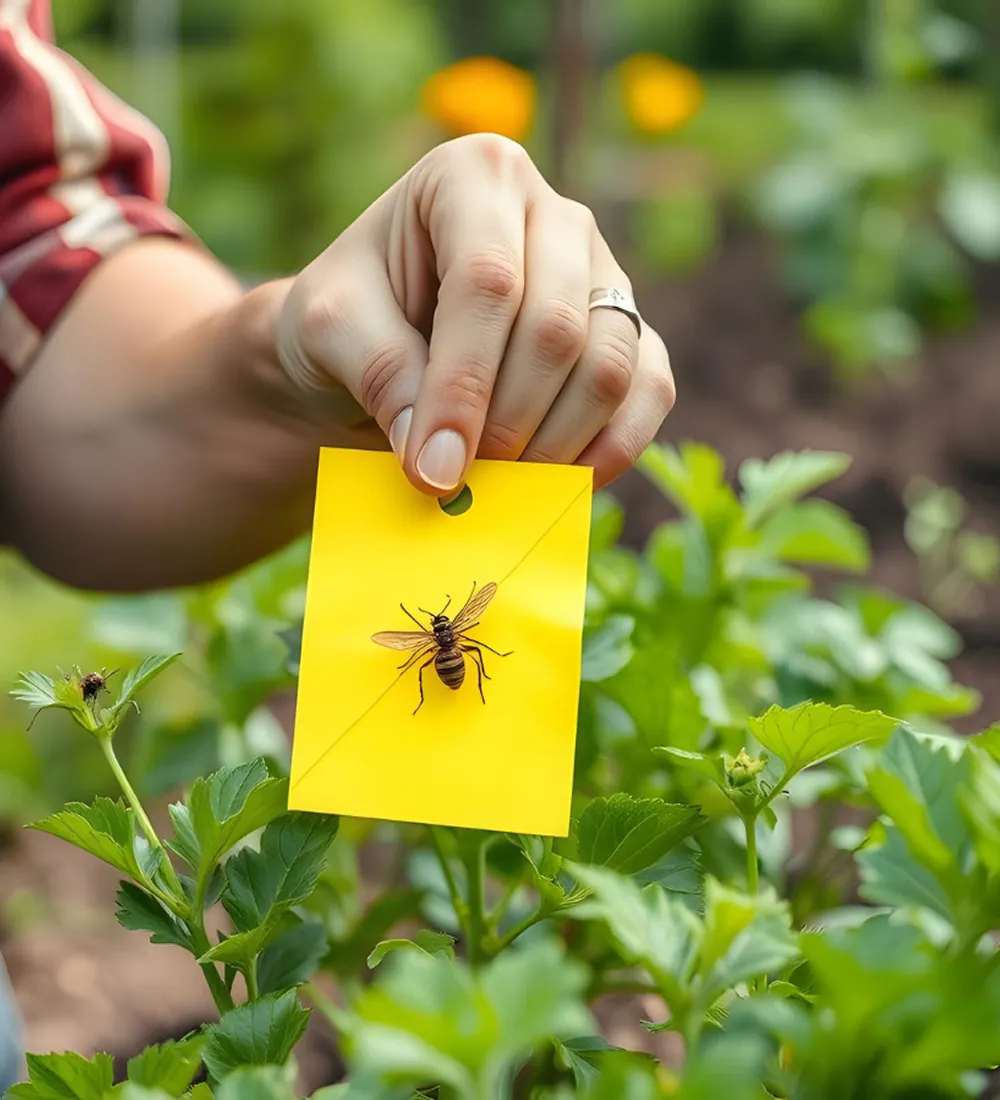
Early pest detection is one of the most important steps in protecting crop health and maximizing yield. Many farmers only react after visible damage appears—but by then, the impact is already significant.
Understanding how to identify pests at an early stage allows for faster, more effective intervention.
Common signs of pest infestation:
Recognizing the early warning signs can help prevent major crop loss.
- Yellowing or discolored leaves
- Holes or chewed edges on leaves
- Sticky residue (honeydew) on plants
- Wilting despite proper watering
- Presence of eggs or larvae under leaves
Types of common crop pests
Aphids:
Small insects that suck plant sap, causing leaf curling and reduced growth.
Caterpillars:
Feed on leaves and stems, leading to visible damage quickly.
Mites
Very small but dangerous—cause yellow spots and weaken plants over time.
Whiteflies
Leave sticky residue and spread plant diseases.
Why early action matters
Delaying pest control can lead to:
- Rapid pest population growth
- Increased crop damage
- Higher chemical usage later
- Reduced yield quality
Best practices for early control
Once pests are identified, take action immediately:
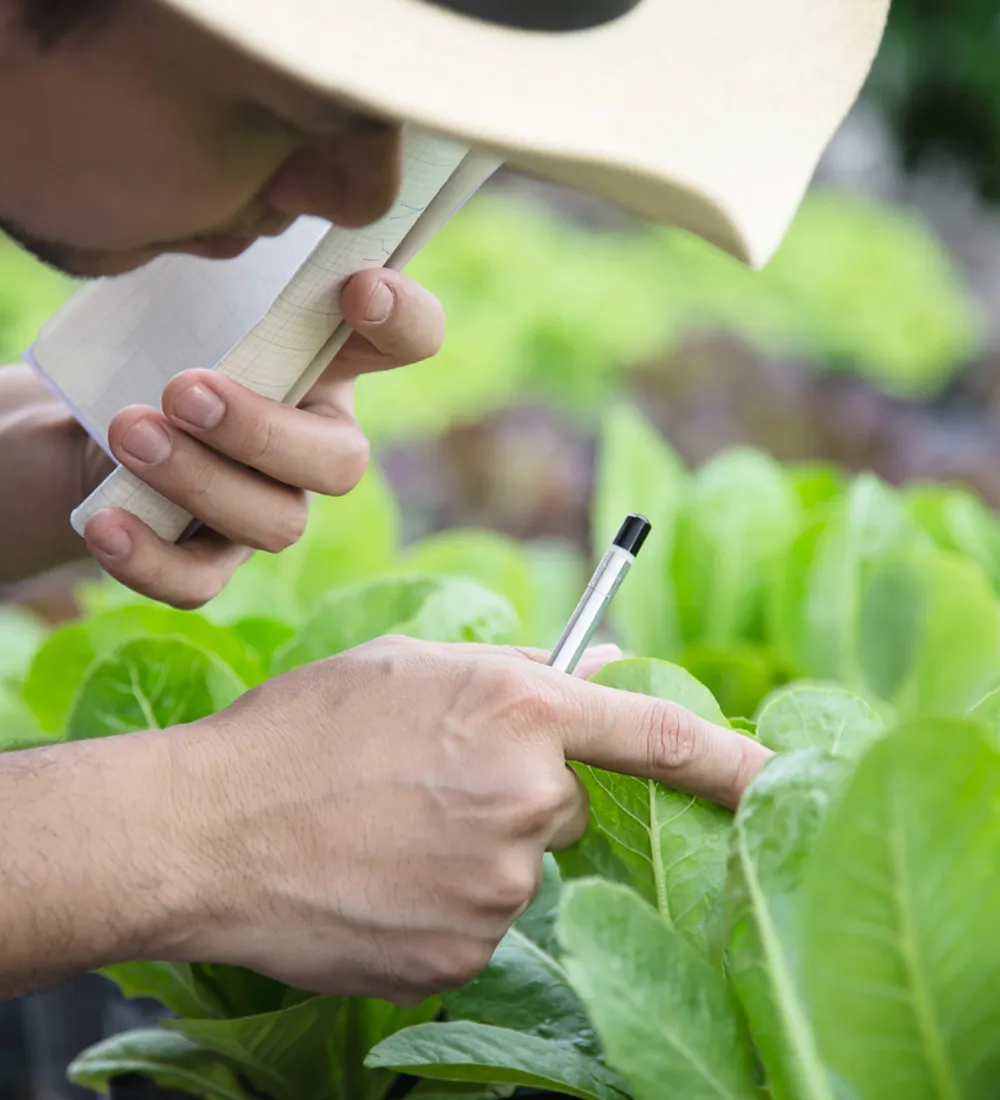
- Monitor crops regularly (weekly checks)
- Use targeted pesticide solutions
- Apply correct dosage based on infestation level
- Focus on affected areas first
- Follow proper application timing
Key takeaways
Once pests are identified, take action immediately:
- Early detection prevents major crop loss
- Regular monitoring is essential
- Different pests require different solutions
- Timely application improves effectiveness
Safety note
Always follow safety guidelines and product instructions when applying pesticides. Use protective equipment and refer to SDS documentation before use.
Final thoughts
Effective pest control starts with awareness. By identifying problems early and applying the right solutions, farmers can protect crops, reduce costs, and improve overall productivity.
Related Articles
View
related
blog

Great Job on choosing the right template! Just one more step to start building.


.svg)
.svg)